

Imagine a uranium mine that can supply nearly one-fifth of the world’s current mined uranium production while extracting little more than a double-decker bus's worth of ore each day.

That is the extraordinary proposition behind NexGen Energy’s Arrow project in northern Saskatchewan. Beneath the forests of the western Athabasca Basin lies one of the richest undeveloped uranium deposits on Earth.
NexGen plans to produce approximately 30 million pounds of uranium annually, comparable to the combined output of Cameco’s McArthur River and Cigar Lake mines, which together account for roughly 20% of global uranium mine production.
Yet the geological fortune that makes Arrow so attractive also presents an enormous industrial challenge. NexGen must turn a mineral discovery into a functioning mine, something Canada hasn't done with a major new greenfield uranium project in more than two decades.
After recently exploring the uranium market with Cameco’s Grant Isaac, I sat down with NexGen founder and CEO Leigh Curyer to hear the perspective of a junior miner trying to become one of the world’s largest uranium producers.
A Contrarian Bet
Curyer began his uranium venture in 2011, less than three months after the Fukushima disaster. Japan was shutting down its nuclear fleet, Germany was abandoning nuclear power, uranium prices were entering a prolonged depression, and investors were fleeing the sector.
As an Australian mining executive working in private equity in London, he saw an opportunity. He believed the world’s appetite for nuclear energy would endure and that the global inventory of high-quality undeveloped uranium deposits was remarkably thin.
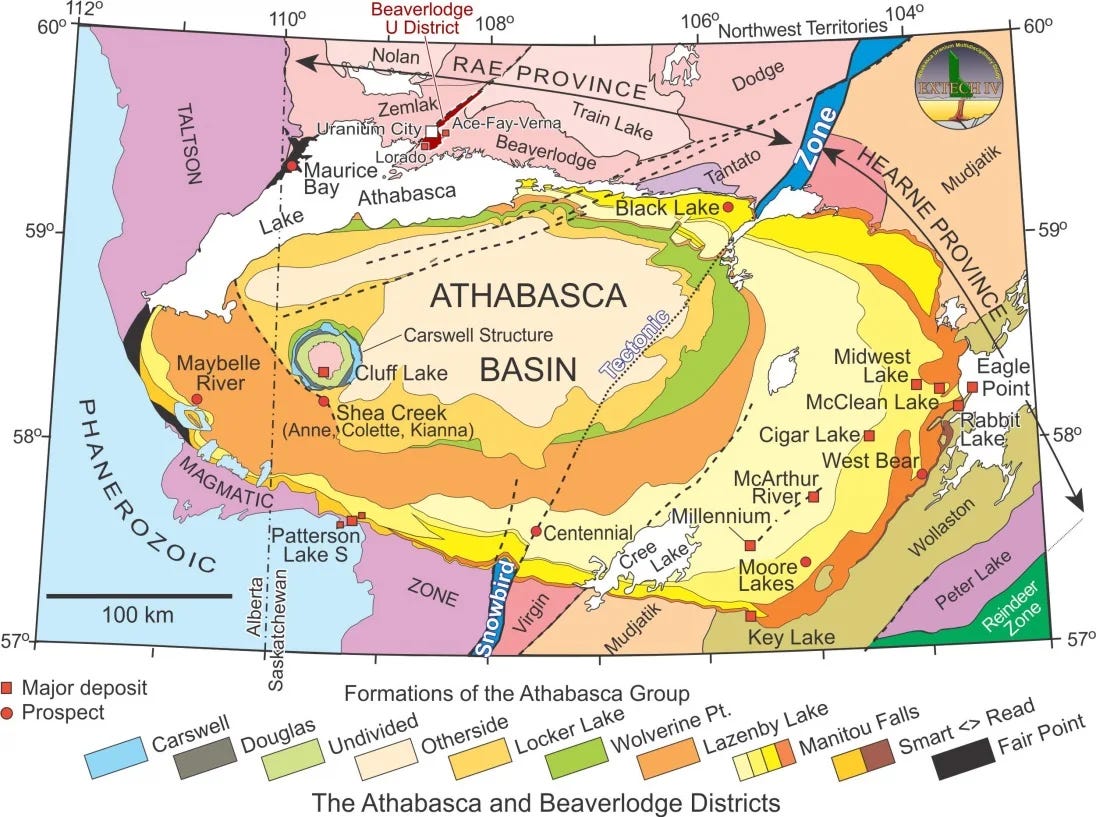
Rather than exploring alongside the established producers in the eastern Athabasca Basin, Curyer assembled claims in the comparatively neglected western portion. The geological formations appeared promising, but the area had received relatively little exploration.
In February 2014, NexGen discovered Arrow on its 21st drill hole at Rook I. Remarkably, it was the first exploration hole drilled within a four-and-a-half-kilometre radius.
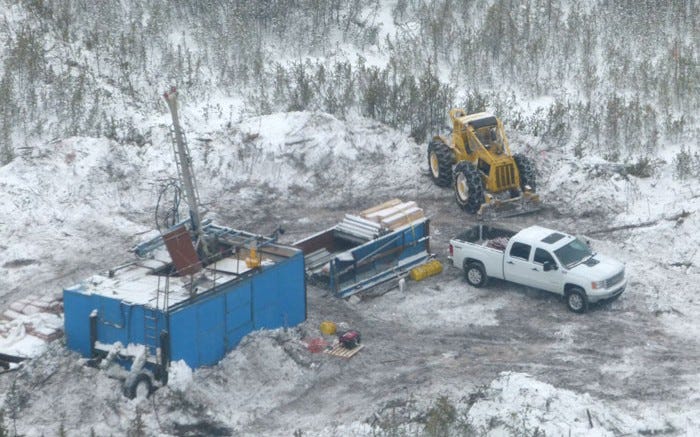
What followed was the definition of a deposit containing hundreds of millions of pounds of uranium, with exceptionally rich zones approaching 16% uranium oxide. For comparison, many uranium deposits elsewhere in the world contain ore grades measured in fractions of a percent.
The Geology of Arrow
The Athabasca Basin hosts some of the world’s richest uranium deposits, but extracting them has proven extraordinarily difficult.
At Cameco’s Cigar Lake and McArthur River mines, uranium occurs in challenging geological environments beneath water-saturated sandstone. Groundwater pressures can reach hundreds of pounds per square inch. Catastrophic water inflows at Cigar Lake contributed to years of construction delays, while both operations have required sophisticated ground-freezing and mining techniques.
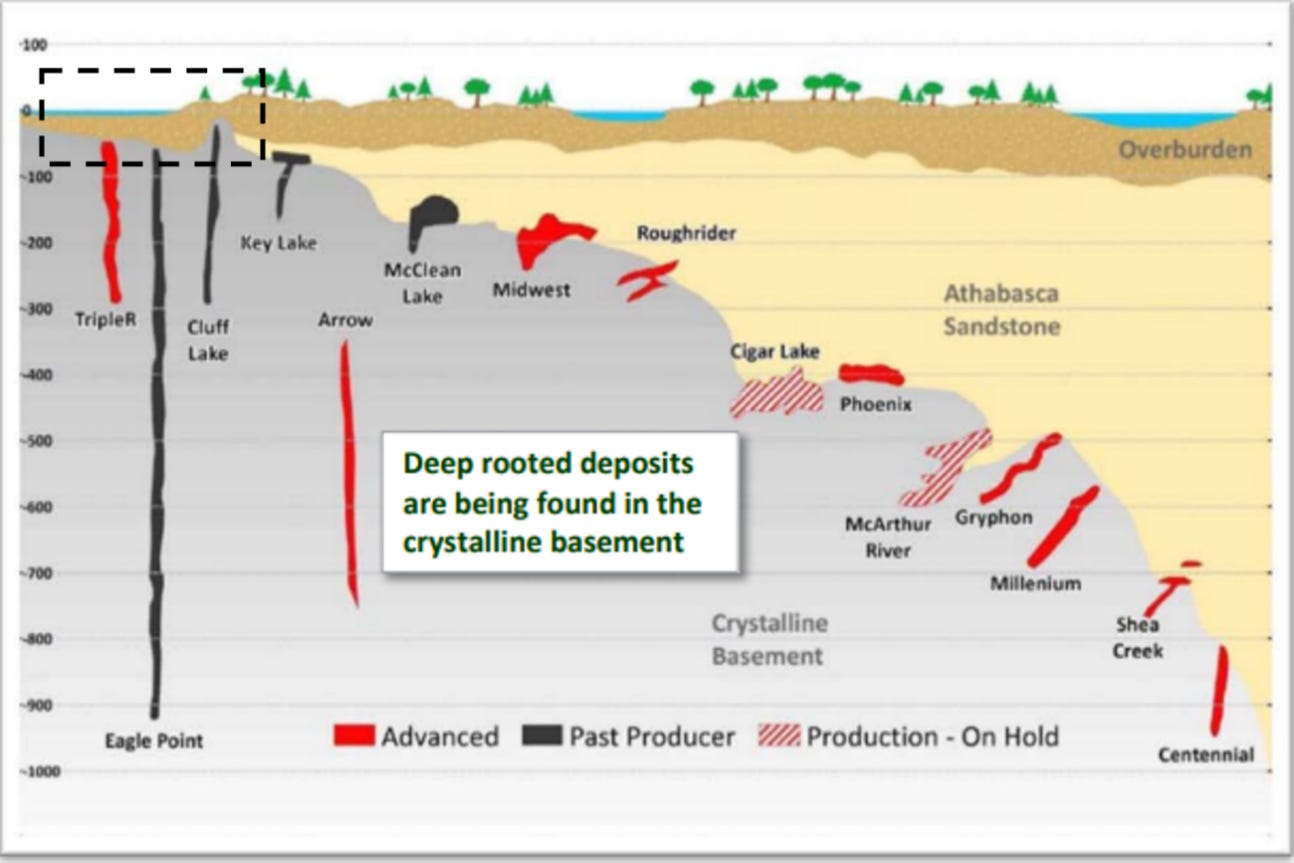
At Arrow, the uranium mineralization is concentrated in steeply dipping zones within comparatively competent crystalline basement rock. NexGen intends to employ conventional long-hole stoping, a technique widely used in hard-rock mining, while relying on ground freezing primarily during the initial stages of shaft development.
The deposit also possesses relatively straightforward metallurgy, allowing a comparatively small mill to process an enormous quantity of uranium. Curyer believes these natural advantages will translate into substantially lower capital and operating costs than those of established high-grade uranium mines.
The Challenge of Building a New Uranium Mine
Uranium mining and nuclear reactor construction share striking parallels. Decades of limited investment in new projects have depleted the pool of engineers and construction managers with direct experience bringing major nuclear facilities into operation. Canada has not commenced construction of a major new greenfield uranium mine since Cigar Lake in 2005, while its last new uranium mill dates to the 1990s.
Much of the workforce responsible for those projects has retired or is approaching retirement. Financial capital can be raised in months, while the specialized engineering and construction capabilities required to develop a new uranium mine take decades to cultivate.
Some senior uranium miners question whether NexGen may be underestimating the specialized expertise required to develop a high-grade uranium mine. The company has recruited heavily from conventional copper and gold mining, where techniques such as long-hole stoping are well established. Yet uranium mining adds complexities involving radiation protection, ventilation, ore handling, and processing, raising questions about how readily expertise from other mining sectors can transfer.
Curyer maintains that Arrow’s favourable ground conditions make conventional hard-rock mining expertise particularly relevant, and that seven years of preparation, extensive geological characterization, and the recruitment of an experienced construction team have given NexGen confidence in its ability to deliver the project within its anticipated cost and schedule.
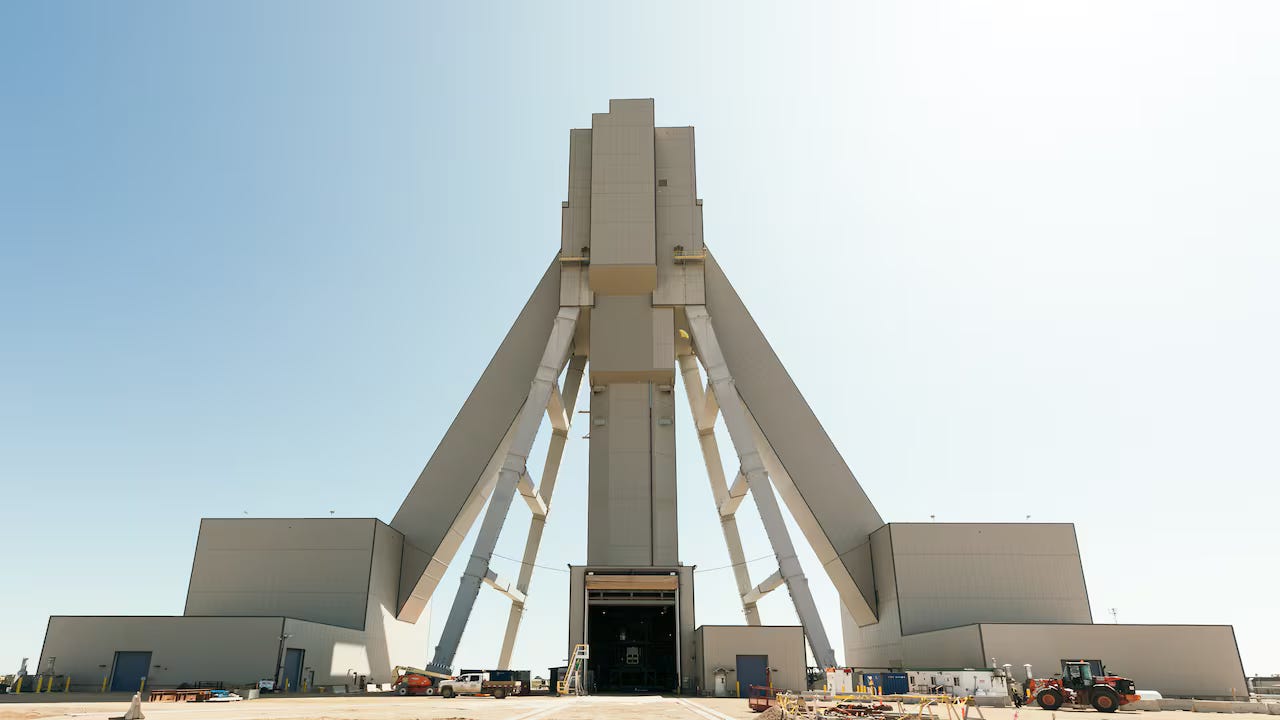
BHP’s Jansen potash mine in Saskatchewan offers a cautionary comparison. Despite the considerable engineering resources of one of the world’s largest mining companies, Jansen has experienced substantial capital cost escalation, driven by disappointing construction productivity, additional engineering scope and greater material requirements. The projects differ in geology, scale and mining methods, but Jansen demonstrates how construction difficulties can accumulate even under experienced developers.
For NexGen, the first substantial test will come with shaft sinking in 2027, when the pace and cost of excavation through Arrow’s more variable near-surface ground conditions will become clearer.
Construction Costs and Financial Exposure
NexGen’s published capital estimate of C$2.2 billion represents a substantial increase over earlier projections, and costs could escalate further as construction advances. Labour is a particularly significant exposure, accounting for roughly half of the project’s capital requirements.
Yet Curyer argues that Arrow’s exceptional economics provide considerable protection against cost overruns. At prevailing uranium prices, NexGen estimates that the mine could recover its initial capital investment in less than a year of production. Even a substantial increase in construction costs, he contends, would leave the project highly profitable.
A mine capable of generating exceptional returns can nevertheless impose considerable financial strain on the company developing it. Unlike Cameco, which could absorb the prolonged delays at Cigar Lake through revenues from its other operations, NexGen has no producing mines to support its construction programme.
If Arrow encounters significant cost overruns or schedule delays, additional borrowing, equity dilution, or the involvement of a larger mining partner could become necessary. These are familiar vulnerabilities for junior mining companies, although Arrow’s unusually favourable economics may provide NexGen with considerably more room to manoeuvre than most.
NexGen’s Bet on Uranium Prices
NexGen is pursuing a different approach to selling its uranium. Established producers such as Cameco have traditionally relied on long-term contracts to underpin investment decisions and protect against commodity price volatility.
Curyer intends to retain substantial exposure to uranium prices at the time of delivery, anticipating a prolonged shortage of primary mine supply alongside growing demand from the global nuclear fleet. He sees the possibility of uranium reaching $200 per pound, substantially above the prices underpinning NexGen’s current economic projections.
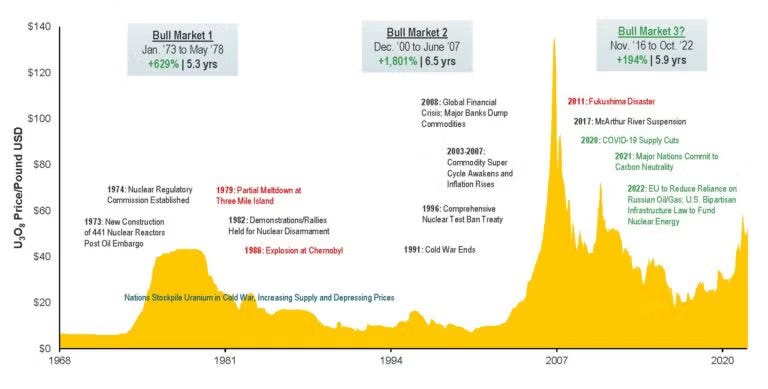
NexGen’s planned production would introduce substantial new supply into a market whose anticipated scarcity underpins its bullish uranium price outlook. Curyer believes declining output from existing mines, limited new production capacity and expanding nuclear generation will more than absorb Arrow’s contribution. Much will depend on the pace of reactor construction, competing mine developments and the availability of uranium from established suppliers.
From Discovery to Production
NexGen’s success in discovering Arrow has vindicated Curyer’s decision to venture into the largely unexplored western Athabasca Basin at a time when much of the uranium industry was retreating. The company now faces a very different test, one in which geological insight and entrepreneurial conviction must be matched by engineering discipline, construction experience and operational competence.
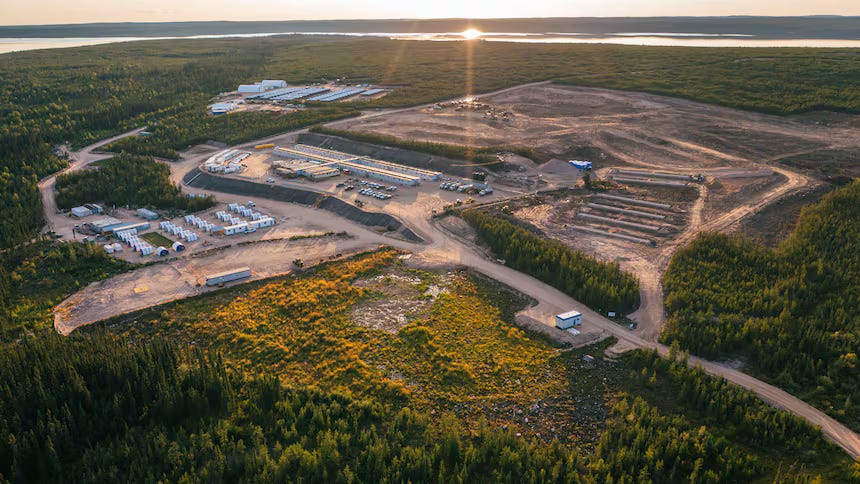
The expansion of nuclear power will require substantial new investment in uranium production, much of it in deposits that have remained undeveloped through decades of weak market conditions. The question is not whether Arrow will emerge as one of the most consequential sources of uranium in the Western world, but when, and whether NexGen’s approach to developing it will vindicate Curyer’s confidence in departing from the more conservative practices of established producers.
Like this post if you dig uranium.
Richly detailed article. Thank you.