

Canada and the United States are now engaged in the most serious trade conflict in their modern economic relationship. U.S. Tariffs have spread across steel, aluminum, automobiles, and other goods; Canadian retaliation has followed, forcing industries built around an open continental market to rethink investment, supply chains, and where they locate production.
The consequences are asymmetric. More than 70 percent of Canadian merchandise exports still go to the United States, the U.S. economy is roughly 13 times larger, and Canada accounts for a much smaller share of its overall trade.
Canada is being forced to reconsider some of the dependencies it has accumulated over six decades of continental integration. A goal of Canadian autarky would be delusional, but eliminating specific forms of integration for which Canada has no ready alternative, and is therefore exposed to disproportionate economic damage from bad-faith U.S. actions, is prudent.
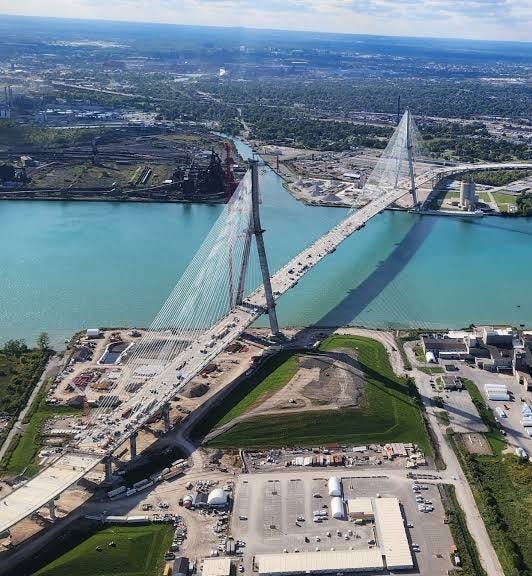
The recent Gordie Howe International Bridge incident illustrates the unprecedented state of affairs. Canada financed the entire six-lane crossing between Windsor and Detroit, including the American land acquisition and I-75 highway connection, with its investment to be recovered from future toll revenues. Washington was initially responsible for the U.S. customs plaza, but when federal funding failed to materialize, Canada agreed in 2015 to finance that as well.
By early 2026, construction was essentially complete when Donald Trump threatened to prevent the bridge from opening unless Canada offered additional concessions. Because Washington controlled the American port of entry, a project designed to deepen continental integration had also created a political leverage point after billions of Canadian dollars had already been committed.
Postwar-era integration was based on the assumption that the resulting dependencies would remain governed by stable rules. The trade war is forcing Canada to shift away from a narrow focus on economic efficiency to preserve its strategic autonomy.
The following essay is based on my recent Decouple conversation with process engineer Jesse Huebsch about the Canada-US trade war and its implications for Canadian economic sovereignty.
Defying Geography to Forge a Nation
The Canadian national project emerged from the use of state power and infrastructure to impose an east-west economic logic on a continent where north-south trade was often easier and cheaper.
Canada shares roughly 6,400 kilometers of contiguous southern border with the United States, and two-thirds of Canadians live within 100 kilometers of it. British Columbia naturally connects to the Pacific Northwest, the Prairies to the Great Plains, southern Ontario to the Great Lakes industrial belt, Quebec to New York and New England, and Atlantic Canada to the northeastern United States.

The hardest section of the Canadian map for East-West integration lies north of Lake Superior. Between the population centers of southern Ontario and the Prairies lies well over a thousand kilometers of difficult Canadian Shield: bogs, lakes, exposed granite, and boreal forest, with few population centers along the way.
The route south of Superior through Michigan, Wisconsin, and Minnesota is far easier terrain and passes through major American markets that can finance megaprojects.
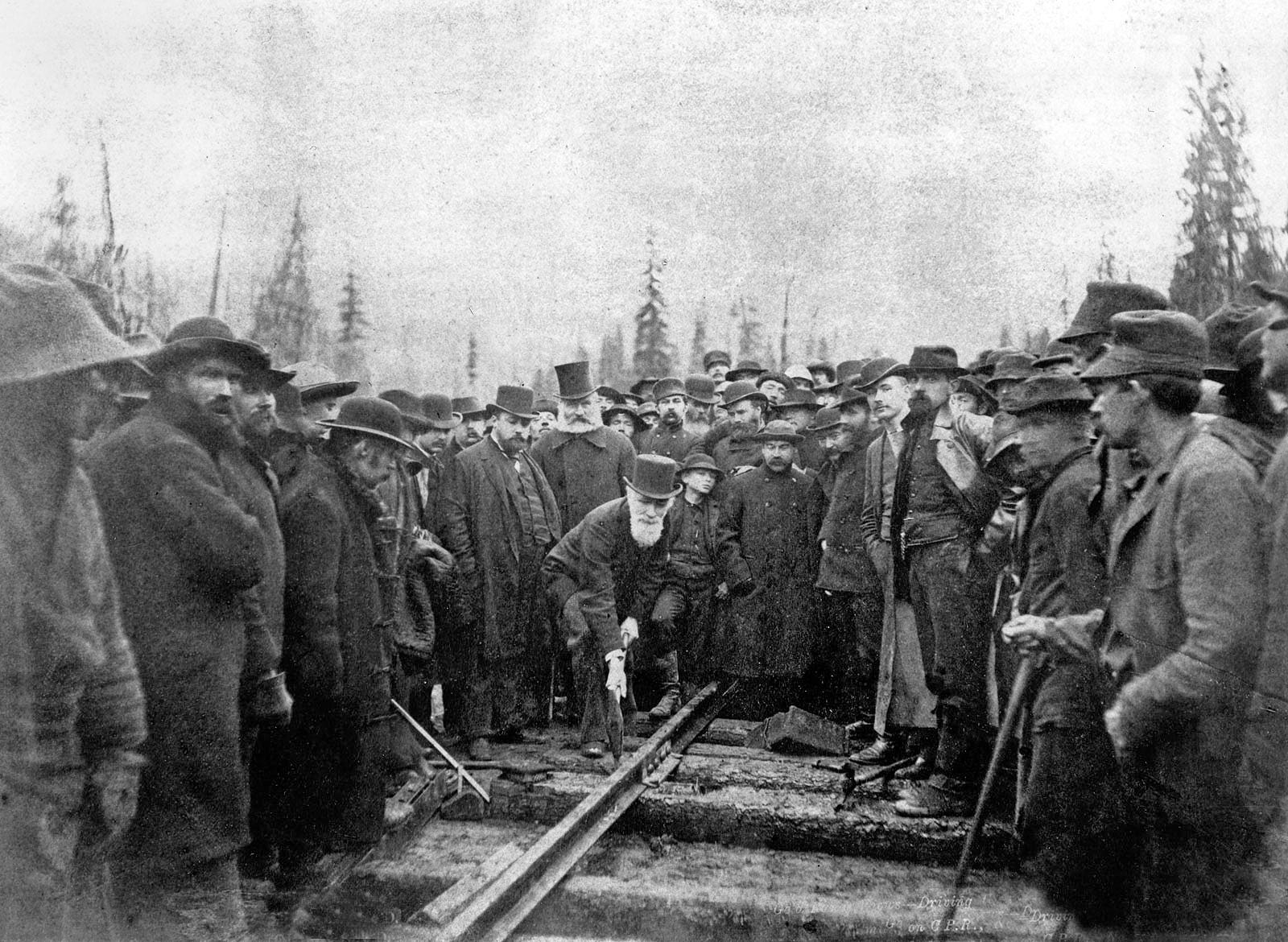
Infrastructure tends to take the path of least economic resistance. However, several mission-critical nation-building pieces of infrastructure were bushwhacked through this wilderness. The Canadian Pacific Railway and Trans-Canada Highway are obvious examples.
The TransCanada natural gas pipeline, roughly 3,700 kilometers long when completed in 1958 and then the longest natural gas pipeline in the world, required enormous political and financial effort to create an all-Canadian route and ensure a Canada-first use of the resource.
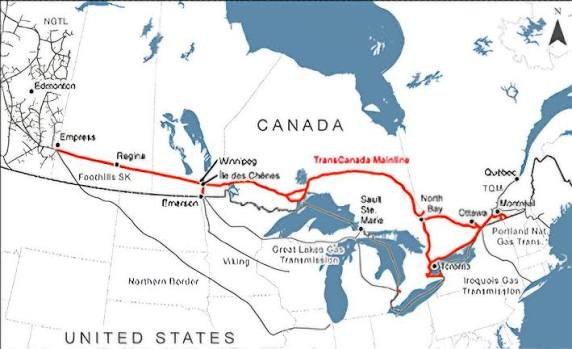
The pipeline carrying Alberta crude to central Canada, however, followed the easier continental geography, cutting through the American Midwest as “Line 5” before returning to Ontario.
Over the last half-century, the need to pay an economic premium for east-west connectivity has diminished as relations with the United States have strengthened and trade barriers have fallen. Canada increasingly accepted that continental integration offered irresistible efficiencies, with the automobile industry providing perhaps the clearest demonstration.
The Continental Bargain
Before the 1965 Auto Pact, Canada maintained a relatively inefficient automotive industry made up of branch plants of the “Big Three” U.S. manufacturers set up behind a Canadian tariff wall. These factories produced small runs of a diverse array of vehicles for a limited domestic market. The subsequent Auto Pact agreement allowed production to specialize across the border while preserving a substantial Canadian manufacturing presence.
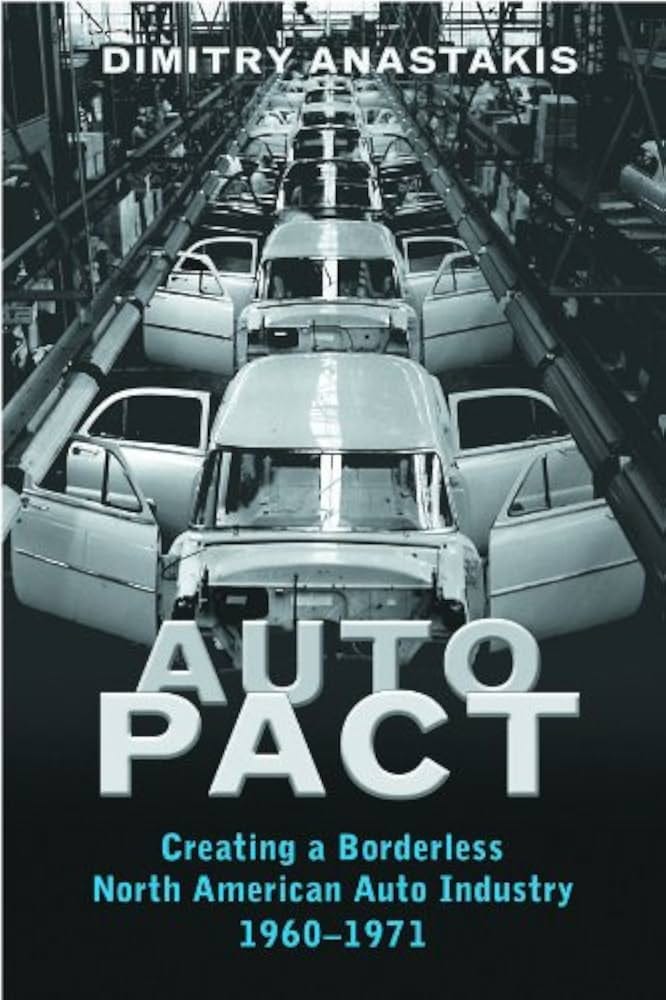
A Canadian plant could manufacture one model at scale, export most of it to the United States, and import other models from American factories. Parts suppliers served plants on both sides of the border, and engines, parts, and finished vehicles could cross the border several times before reaching a showroom. The practical distinction between a Canadian and American car gradually became difficult to draw.
Free trade, NAFTA, and eventually CUSMA extended the same principle across much of the economy. Production would occur where it was most efficient within a predictable continental market.
In 2024, more than C$1 trillion in goods crossed the Canada-US border, with the United States accounting for 75.9 percent of Canadian merchandise exports and supplying 62.2 percent of Canada’s imports. The United States was Canada’s largest foreign investor, and Canada the second-largest investor in the United States.
The Emergence of America First
Trump’s mercantilist economic ideas and obsession with trade deficits have roots in Japan’s rise in the 1980s, when highly productive Japanese manufacturers gained American market share in autos and electronics through superior manufacturing efficiency, quality, and cost control. The China Shock heightened U.S. concerns about industrial decline, with American producers confronted by China’s enormous pool of low-wage labour, rapidly expanding industrial capacity, and integration into global supply chains.
Trump has carried this experience forward into a broader belief that bilateral trade deficits are evidence that the United States is being taken advantage of, even when the economic relationship bears little resemblance to the manufacturing competition posed by Japan or China. That logic became central to his justification for confronting Canada.
In 2025, the United States ran a $48.3 billion goods deficit with Canada, partly offset by a $27.7 billion services surplus. But Canadian energy imports alone accounted for an $85 billion U.S. deficit. Excluding energy, the United States therefore ran a substantial trade surplus with Canada.
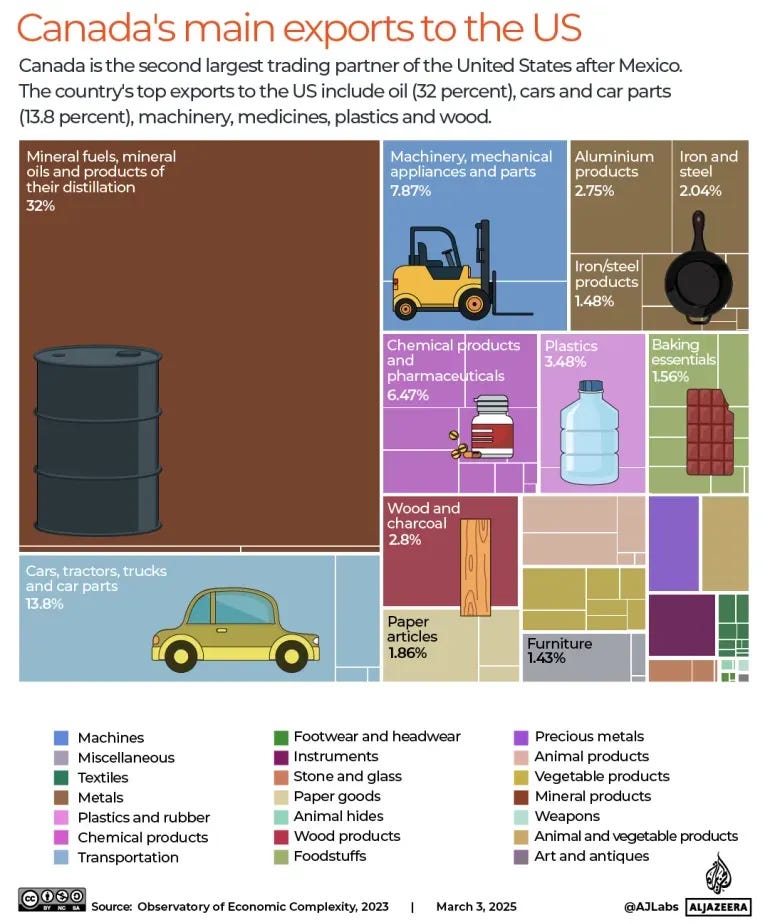
That energy deficit is also very different economically from a deficit caused by the displacement of American-manufactured goods. Canada supplied an average of 3.9 million barrels per day of crude oil to the United States in 2025, accounting for roughly 63 percent of American crude imports.
Much of it is heavy Canadian crude delivered directly into sophisticated Midwestern and Gulf Coast refineries designed to process exactly those grades. Canadian heavy oil has historically traded at a discount because it requires more intensive refining, allowing American refiners to buy a relatively cheap raw material and upgrade it into higher-value gasoline, diesel, jet fuel, and other petroleum products.

The resulting bilateral deficit therefore says relatively little about whether Canada is hollowing out American industry and makes Canada’s treatment under a framework developed in response to Chinese manufacturing competition particularly striking. Trump has nevertheless increasingly applied the same reshoring logic to Canada. He has not been shy about his intent to “reshore” Canadian automotive manufacturing and recently threatened Canada’s aviation champion, Bombardier.
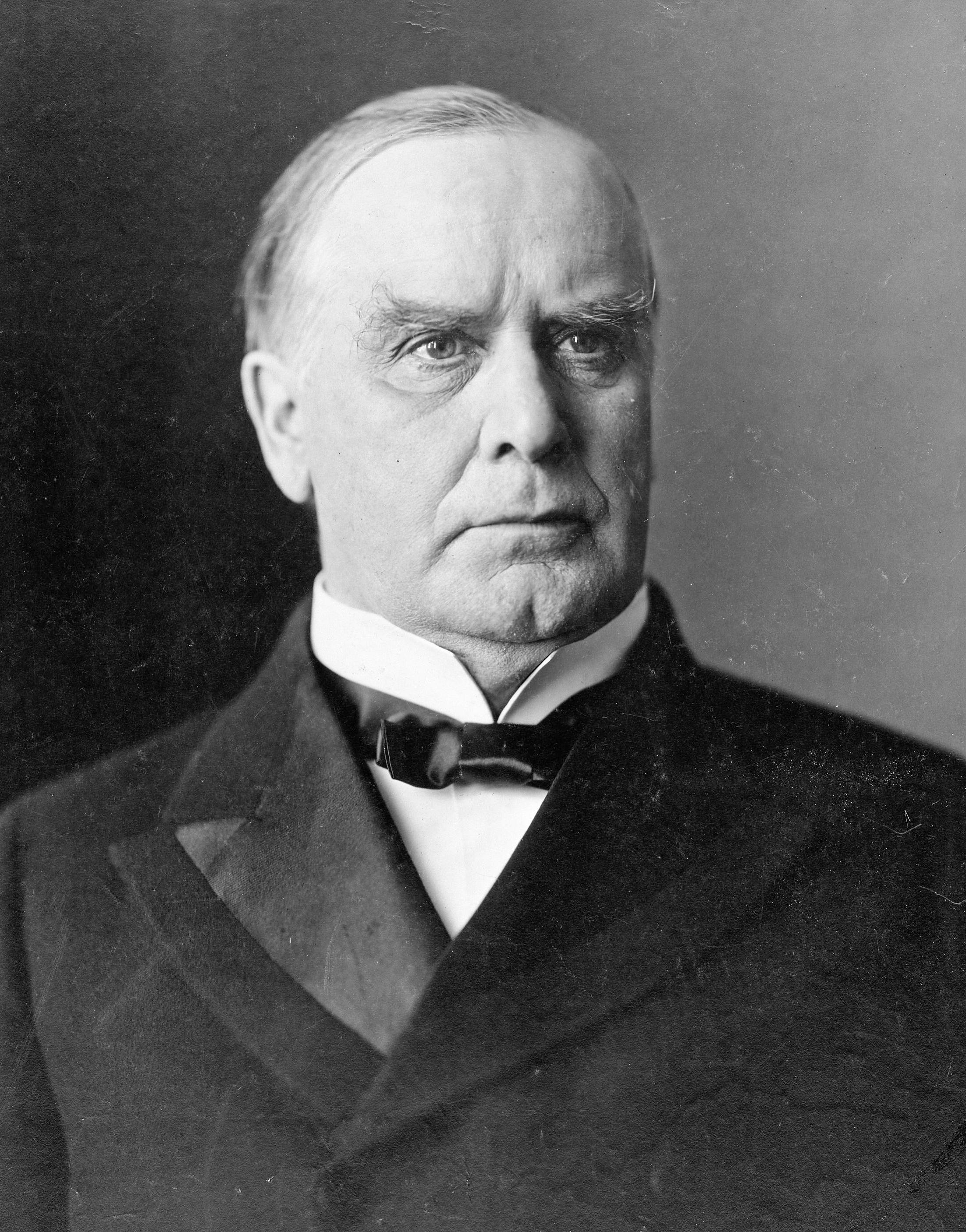
Trump’s enthusiasm for tariffs reaches back to nineteenth-century Republican president William McKinley, who championed protection for American industry. McKinley protected an economy with abundant domestic energy and raw materials, a fast-growing workforce, a huge internal market and comparatively simple supply chains. Tariffs could shelter an American manufacturer without simultaneously taxing much of its own production network.
The industrial conditions of the twenty-first century are very different. American factories are embedded in international supply chains, importing components, machinery and materials that are themselves inputs into American production. Tariffs therefore not only raise the price of foreign finished products but also raise the costs of domestic manufacturing. They can create an incentive to invest, but their effectiveness depends on whether the productive capacity behind the tariff wall can actually be built.
A Tale of Two Tariffs
Not all tariffs are created equal. Aluminum and automobiles are instructive because the same instrument can have very different effects depending on the structure of the industry it is applied to.
Primary aluminum is sometimes described as congealed electricity. Competitive smelting requires enormous quantities of cheap, reliable power, major capital investment, and transmission infrastructure. Quebec possesses an incumbent advantage built on abundant hydroelectricity and decades of industrial development.
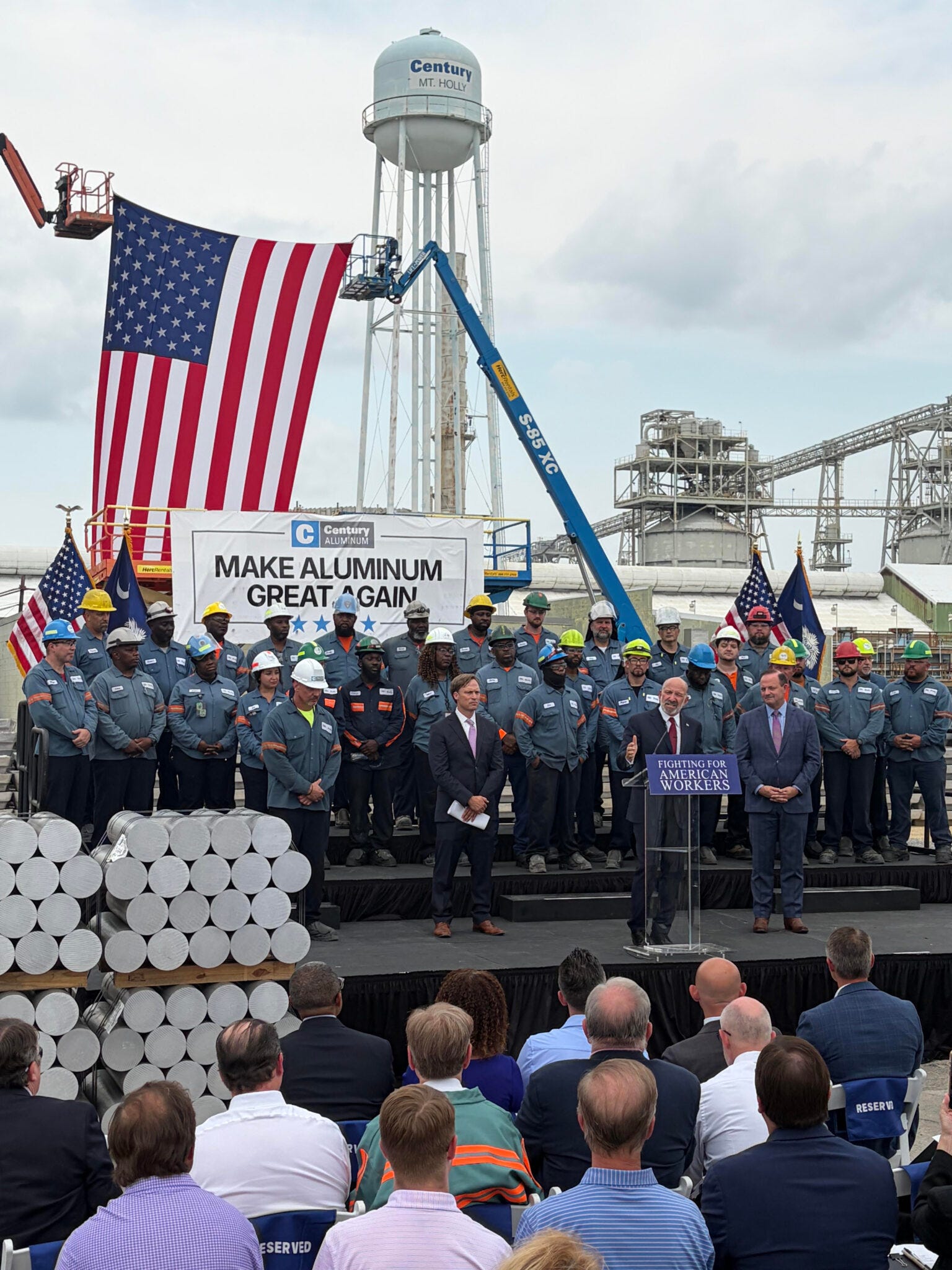
The United States has a large recycling industry but very little primary smelting, accounting for only 16 percent of domestic aluminum production.
Tariffs can raise U.S. aluminum prices immediately, benefiting existing smelters while increasing costs for automakers, packaging companies and other downstream users. Canadian exports to the United States initially fell sharply after the tariffs were imposed, dropping by about 50 percent, but then rebounded as American inventories were drawn down.
Building new electricity-hungry primary smelting capacity is much harder, and competes with data centers for generation, transmission capacity, and grid connections. Investors also have to believe Trump’s tariff regime will last long enough to justify building an asset expected to operate for half a century.
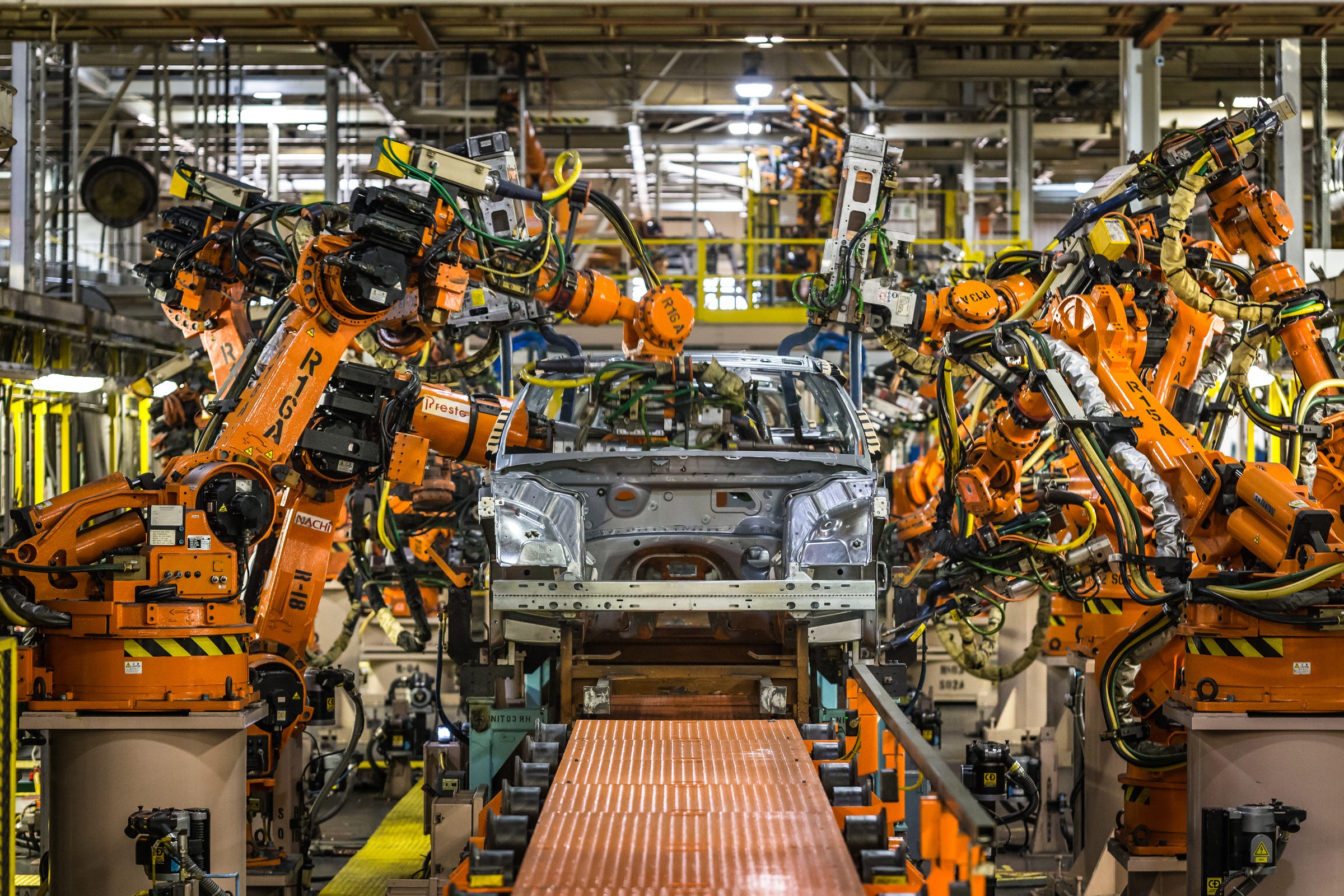
Automobiles are different because the United States does not need to reconstruct an industry from scratch. North American manufacturers already have a large network of assembly plants operating below their theoretical capacity in a mature market where vehicle sales have grown relatively slowly. Canadian production can therefore be reduced while existing American plants absorb some of the displaced volume.
This makes tariffs a potentially effective tool for Trump’s stated objective of moving Canadian manufacturing into the United States. Uncertainty makes investing in Canada less attractive than expanding an existing plant in Michigan, Ohio, or Kentucky.
The problem is that sixty years of integration have made the two industries difficult to separate cleanly. An Ontario parts supplier may depend on Canadian assembly plants for the volumes it needs to remain viable while also supplying factories across the American Midwest. If the loss of Canadian production causes that supplier to fail, an American assembly plant can suddenly find itself missing a component worth a few hundred dollars that prevents completion of a vehicle worth tens of thousands.
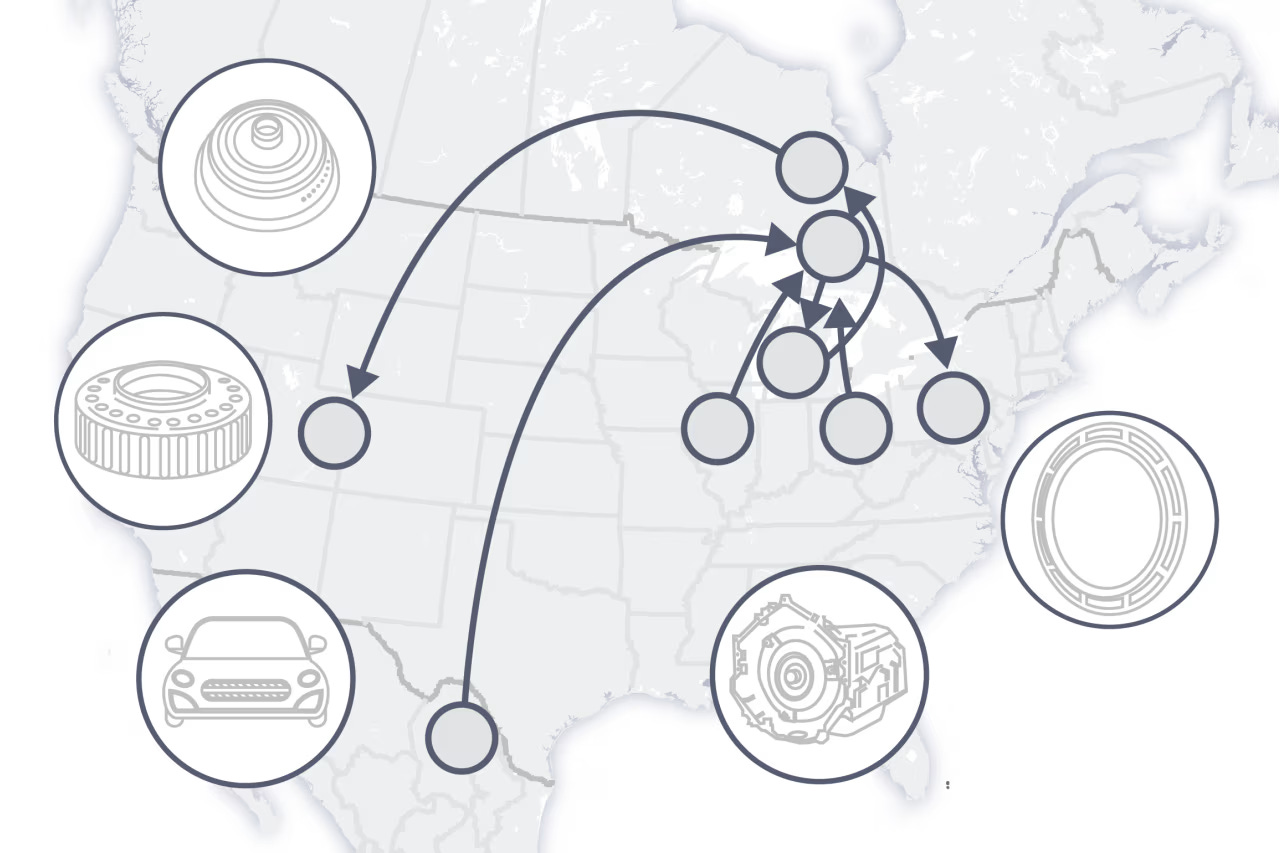
There is also a broader problem of scale. The Auto Pact and the agreements that followed allowed manufacturers to treat Canada and the United States as a single large production system rather than duplicating plants, tooling and suppliers on either side of the border.
Fragmenting that system sacrifices some of those efficiencies just as Chinese manufacturers are exploiting industrial scale on a different order of magnitude.
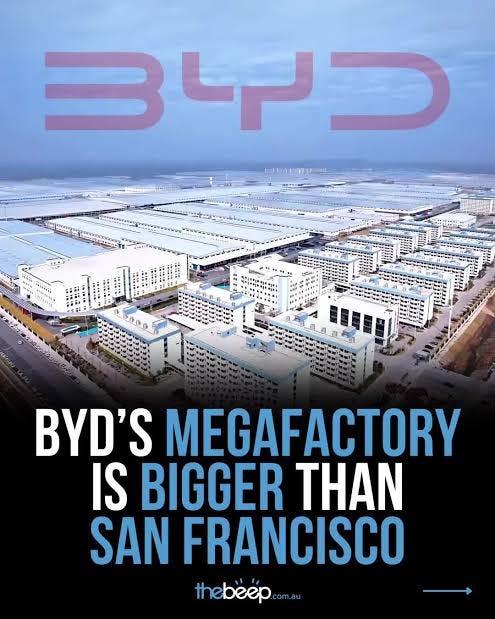
The implicit American assumption is that a vehicle no longer assembled in Canada will instead be built in the United States, while Canadians continue buying roughly the same number of North American vehicles. That outcome is not assured if the contraction of Canada’s auto industry leads to retaliatory barriers against U.S.-assembled cars and a preference for sourcing more vehicles from European, Japanese, Korean, or even Chinese manufacturers. Washington could succeed in moving some assembly south while simultaneously shrinking the continental market over which American manufacturers spread engineering, tooling and supplier costs.
This is the paradox of the auto tariffs. Unlike the aluminum tariffs, they may genuinely achieve part of their stated objective by discouraging Canadian investment and shifting production into the United States. On that narrow measure, they can be successful. The broader result will likely be a smaller, less efficient North American automotive system, with disrupted supplier networks, higher costs, and less scale to compete against China.
Trump’s vision for Canada
Leaving aside performative meme warfare and talk of Canada as the 51st state, Trump’s threats suggest a more hierarchical vision of the continental economy. Canada remains highly useful as a supplier of oil, natural gas, potash, uranium, aluminum, lumber, hydroelectricity, and other basic inputs, and as a nearby market for American goods, while an increasing share of high-value manufacturing is expected to locate south of the border.
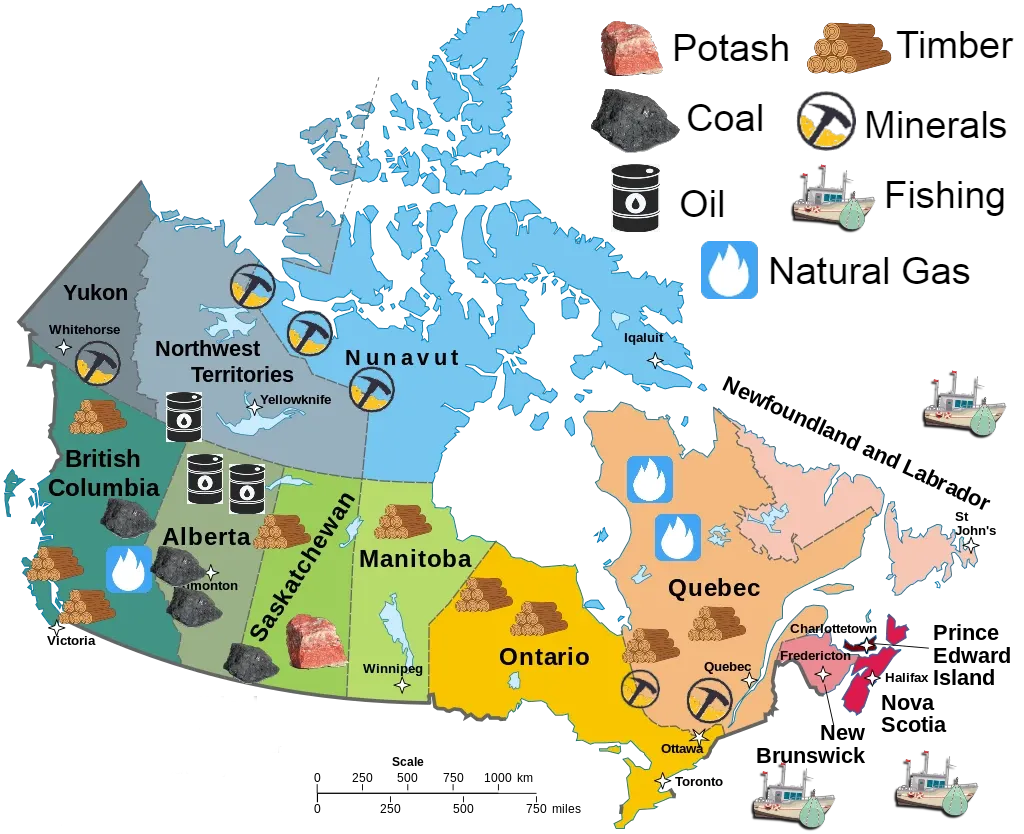
Trump has not articulated this as a formal doctrine, but the practical direction resembles an older center-periphery relationship in which Canada functions increasingly as a subordinate resource hinterland to an American industrial core.
A Protectionist Ratchet?
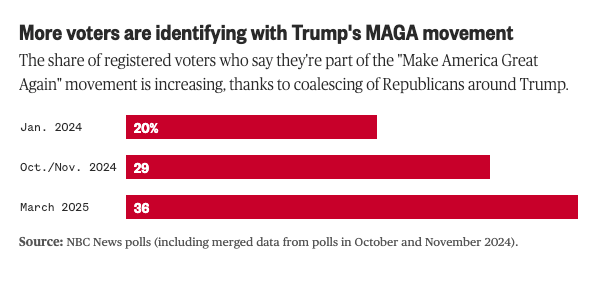
The key variable guiding Canada’s response is timing. Although the current measures may prove to be a temporary feature of the Trump administration, the broader turn toward managed trade may operate as a one-way ratchet, with periods of aggressive economic nationalism alternating with periods of more predictable but still restrictive relations. Trump’s eventual departure will change the tone without eliminating the political constituency behind these policies. MAGA now dominates the Republican Party and represents roughly one-quarter to one-third of the American electorate. One 2025 NBC poll found that 36 percent of registered voters and 71 percent of Republicans identified with the movement.
Biden, after all, ended Trump’s confrontation with Canada over steel and aluminum while retaining the broader shift toward protectionism, domestic subsidies and industrial policy. He expanded Buy America requirements, maintained duties on Canadian softwood lumber and continued to press Canada through USMCA disputes, while preserving and later strengthening Trump’s tariffs on China. The methods were less confrontational, but the assumption that U.S. policy should favour domestic production over deeper continental integration survived the change in administrations. MAGA’s hold over the Republican Party makes a full reversal even less likely under the next Republican president.
The assets Canada is considering today will outlast many American presidencies. A pipeline conceived now may not operate until the 2030s. A fighter jet fleet will remain in service for decades, while a nuclear plant selected during this trade dispute could still be producing power in the next century. Canadian planning therefore cannot depend on the assumption that the next change of administration will restore the previous equilibrium.
Reducing Critical Dependence
Despite the trade war, Canada will remain deeply dependent on the United States for markets, products, services and infrastructure. Most of that interdependence is economically useful, and attempting to reproduce it domestically would impose enormous costs. The more important task is to identify critical dependencies in which the United States controls a lever that can inflict disproportionate damage on Canada before alternative arrangements can be made.
Line 5 illustrates the problem. Canada is one of the world’s largest oil producers, yet part of the pipeline system supplying its most populous province, Ontario, runs through the United States. Enbridge Line 5 carries up to 540,000 barrels per day of crude oil and natural gas liquids from Superior, Wisconsin, across Michigan before re-entering Canada at Sarnia. Ontario’s four refineries processed roughly 386,000 barrels of crude per day in 2025.
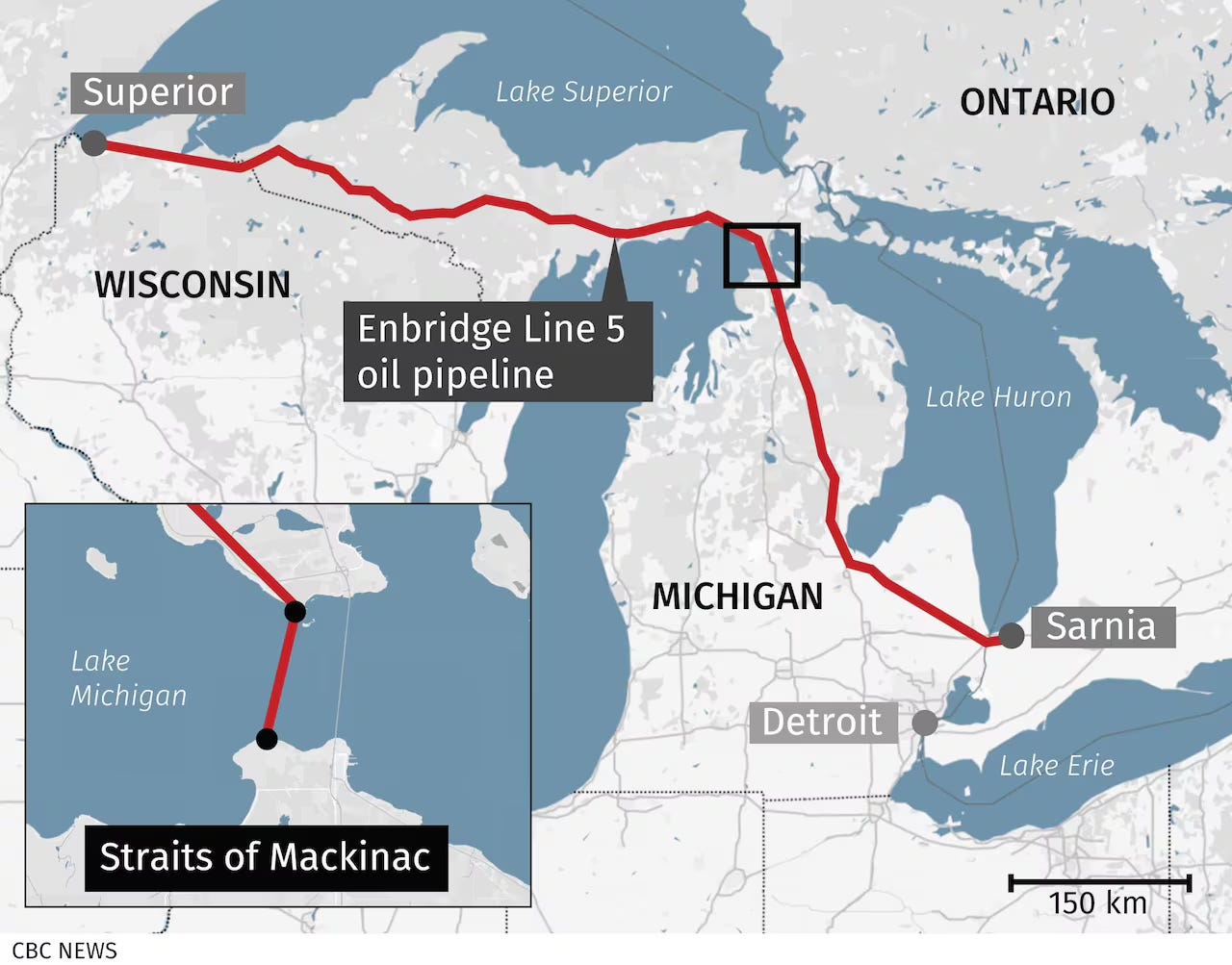
A sudden interruption would not leave Ontario without fuel permanently, but the adjustment would be expensive and disruptive. Crude movements by rail would have to increase rapidly, absorbing capacity on an already heavily used network. Canada could attempt to bring more overseas crude through eastern ports and reconfigure or reverse other pipelines to move it toward Ontario. Those additional rail movements would compete with grain, containers and other traffic moving east and west, while refineries suddenly dependent on more expensive feedstock could become less competitive against imported gasoline and diesel. The effect would likely be a major logistics and price shock rather than economic paralysis, which is precisely why the vulnerability deserves careful study rather than hyperbole.
An all-Canadian pipeline route through the difficult terrain north of the Great Lakes would make the price tag of redundancy worth many tens of billions of dollars. If Alberta could redirect crude onto an all-Canadian pipeline, shutting the American route would primarily deprive American states and producers of commercial activity while inflicting much less damage on Canada. A project that was never called upon during a crisis could therefore still have provided strategic value by making the crisis less likely. This is the sort of infrastructure decision that requires detailed scenario analysis before tens of billions are committed, but conventional project economics alone cannot capture the value being purchased.
There is a second way to reduce exposure in the petroleum system: refine more of the barrel at home. Canada exports enormous volumes of crude to American refineries and then imports substantial quantities of finished petroleum products in several regions. We recently profiled Ian MacGregor, who pursued precisely this logic with the Sturgeon Refinery he founded northeast of Edmonton. Rather than upgrading bitumen into synthetic crude for a foreign refinery to process, Sturgeon was designed to take Alberta bitumen all the way through upgrading and refining into finished products, using gasification of the heavy residual fraction to produce hydrogen and facilitate carbon capture. It now processes roughly 50,000 barrels per day of bitumen and produces about 40,000 barrels per day of ultra-low sulphur diesel along with naphtha, diluent, vacuum gas oil and other products.
Reducing dependence also means creating more options for Canadian exports. Europe and Asia cannot replace the American market, but additional rail, port and intermodal capacity can increase the share of production that has somewhere else to go when access to the United States becomes more difficult.
The Canadian response should therefore concentrate on a relatively small number of high-consequence vulnerabilities rather than attempt economic self-sufficiency. In some cases the answer may be stockpiles or alternative suppliers. In others it may mean larger rail and port corridors, domestic maintenance capability or, in exceptional cases, a pipeline costing tens of billions of dollars.
The goal is to make the remaining inevitable dependence much harder to weaponize.
The Fragile Hegemon?
The overwhelming asymmetry between the United States and its trading partners can obscure real constraints on American power. This does not, however, provide unlimited freedom of action.
The United States entered September with renewed inflation pressure. Consumer prices were 3.4 percent higher in August than a year earlier, while gasoline rose 3.9 percent in a single month and accounted for more than a third of that month’s CPI increase. At the same time, the 10-year Treasury yield returned to roughly 5 percent.

Those yields influence mortgages, auto loans, corporate financing, and the cost of servicing an ever-expanding federal debt. An American president cannot reopen the Strait of Hormuz or repair damaged Russian refineries by executive order. He has significantly more latitude with inflationary tariffs.
Therein lies one plausible route toward de-escalation, and it wouldn’t be Trump’s first or most reputationally damaging TACO.
Conclusion
Canada spent much of its history paying an economic premium to overcome geography and preserve political independence. As relations with the United States stabilized, continental integration made many of those redundancies appear wasteful, and Canada harvested enormous gains from specialization and scale. The trade war changes that calculation.
Over the last year and a half, confidence in economic integration has been shattered. The very real risk of a protectionist ratchet between U.S. administrations, as well as an America First political base returning Trump-like trade policy to office, will permanently change the assumptions underlying the Canadian trade calculus.
Canada cannot and should not unwind continental integration, but some dependencies now carry a political risk that conventional project economics do not capture. Pipelines, ports, refining capacity, military sustainment, and other forms of redundancy may look inefficient until the alternative is having no practical alternative at all. The challenge is to identify the small number of dependencies where that insurance is worth buying.
Like this post to preserve Decouple’s strategic autonomy.