

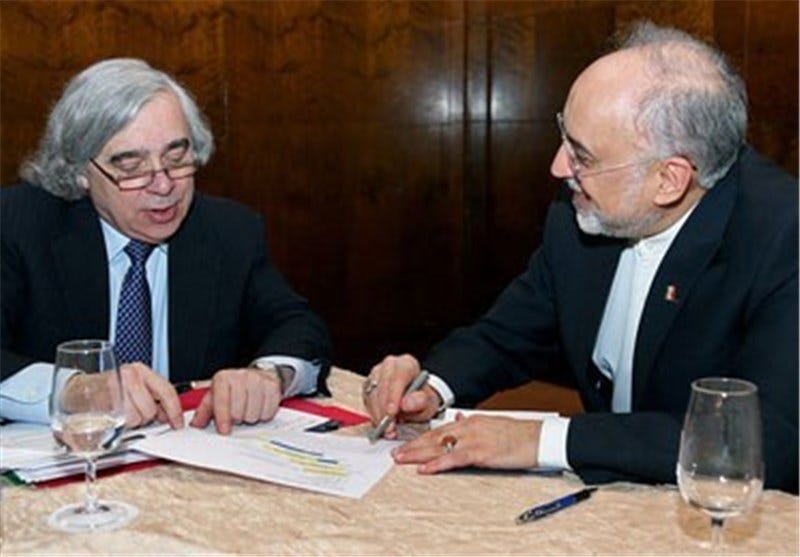
Ernest Moniz was US Secretary of Energy from 2013 to 2017 and was the lead technical negotiator of the Iran Nuclear Deal, the JCPOA.
Before his political career he ran the physics department at MIT, where his eventual Iranian negotiator counterpart, Ali Akbar Salehi, had earned a PhD under a colleague during an earlier era of US-Iranian nuclear cooperation prior to the Islamic Revolution.
In 2023 I had the pleasure of interviewing Secretary Ernie Moniz on the sidelines of the COP 28 Climate conference in Dubai at the Net Zero Nuclear Summit hosted by the Emirates Nuclear Energy Corporation.
As the Iran war rages on into its fifth month with no end in sight I thought it would be interesting to explore his reflections on the diplomatic path once taken to rein in Iran’s nuclear ambitions.
We recorded the accompanying interview one day after the 11th anniversary of the signing of the JCPOA.
The agreement signed on July 14th 2015 and endorsed by UN Security Council Resolution 2231 was designed to hold Iran 12 months away from enough fissile material for one weapon.
Perhaps more importantly it insisted upon a gruelling inspection protocol which would make any sprint toward a bomb visible and give ample time for a diplomatic or military response.
The approach was to triage and deal with the nuclear issue before further negotiations on the thorny issues of Iran’s missile program and its proxy forces throughout the Middle East.
Under the JCPOA uranium enrichment was capped at 3.67%, and the stockpile limited to 300 kg of UF6. Iran shipped about 11 tonnes of low enriched uranium out of the country.
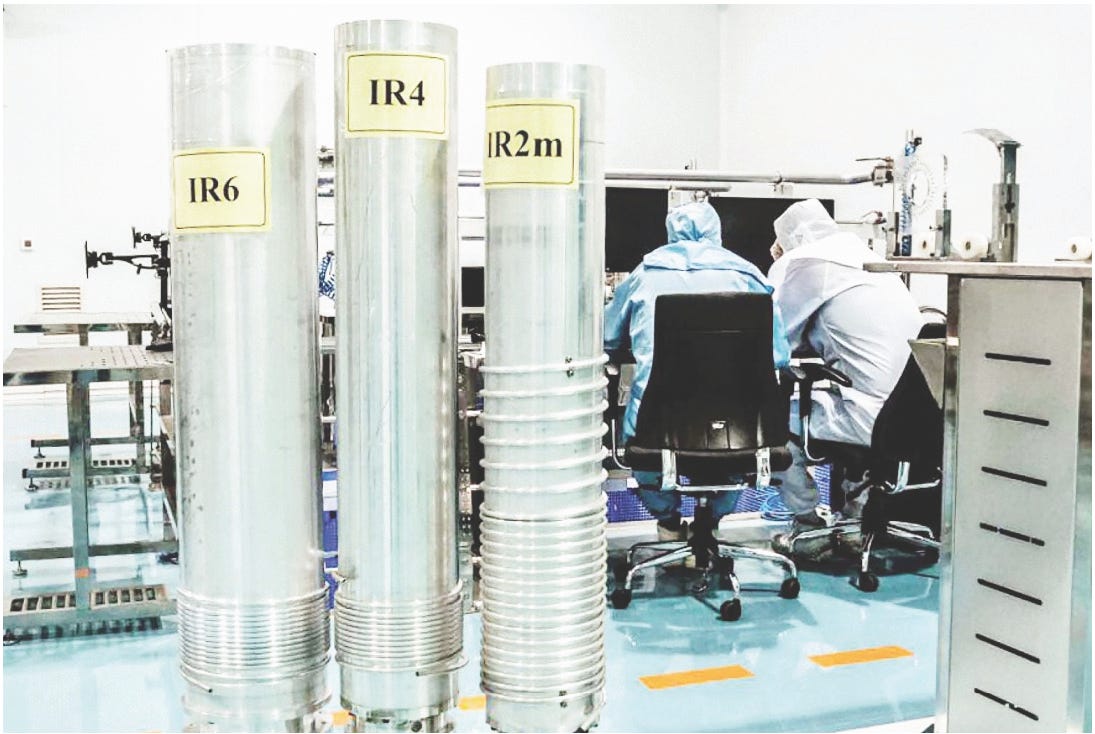
Its stock of installed centrifuges fell from roughly 19,000 to 6,104 and were limited to its earlier IR-1 design, 10 times less productive than its third generation IR-6 machine.
Enrichment activities at the deeply buried Fordow mountain site ceased, and the Arak Heavy Water Reactor calandria was filled with concrete so the reactor could not be used for plutonium production.
In return Iran got sanctions relief.
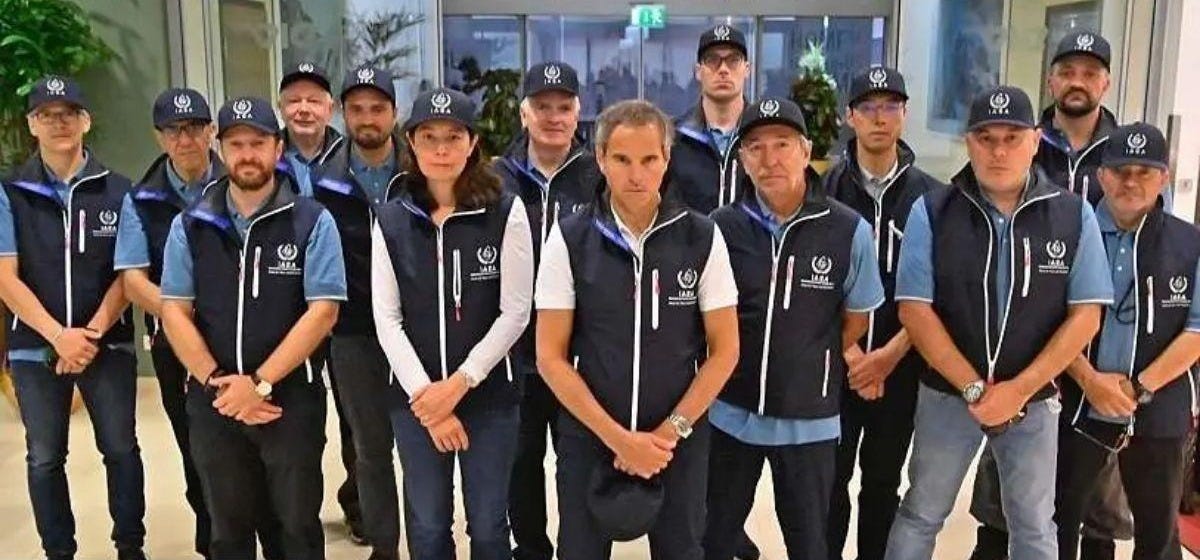
The IAEA provided continuous monitoring that ran from Iranian mines and mills through centrifuge manufacturing to the enrichment halls, with a 24-day ceiling on any dispute over access to non-declared sites. The agency verified Iranian compliance in every report it issued until the American withdrawal in May 2018.
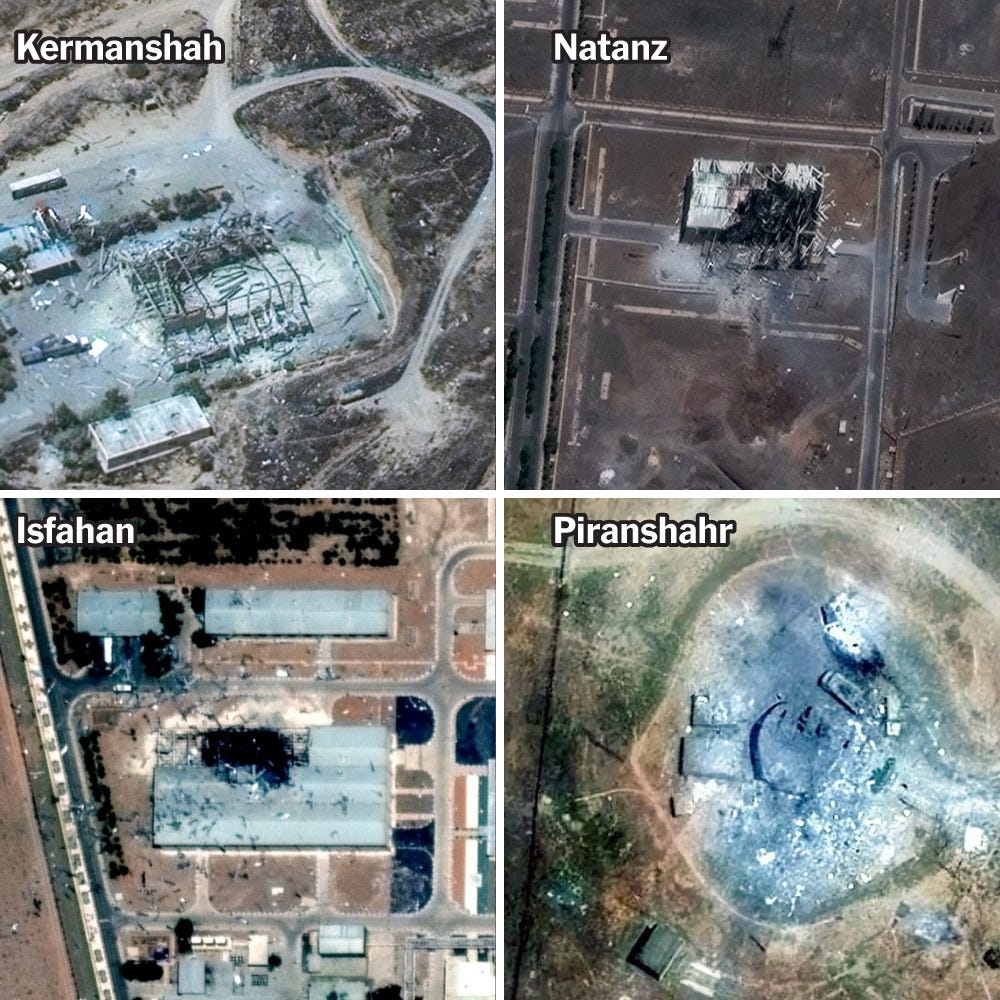
Much has changed since then. Iran’s nuclear and missile sites have been heavily bombed, IAEA inspectors are out of Iran, and more than 440 kg of 60% enriched uranium, enough for ten nuclear weapons, lies somewhere inside Iran.
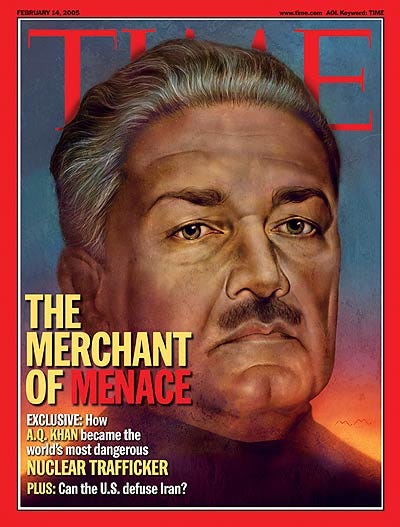
We know from Israel’s daring extraction of the archive of Iran’s former nuclear-weapons program, Project AMAD, from a Tehran warehouse that, between 1990 and 2003, Iran acquired centrifuge technology and nuclear-weapons designs through the A. Q. Khan network with a goal of building five devices by 2004.
During this period it prototyped and developed much of the technical knowledge required to assemble a nuclear weapon. What was missing at the time was fissile material.
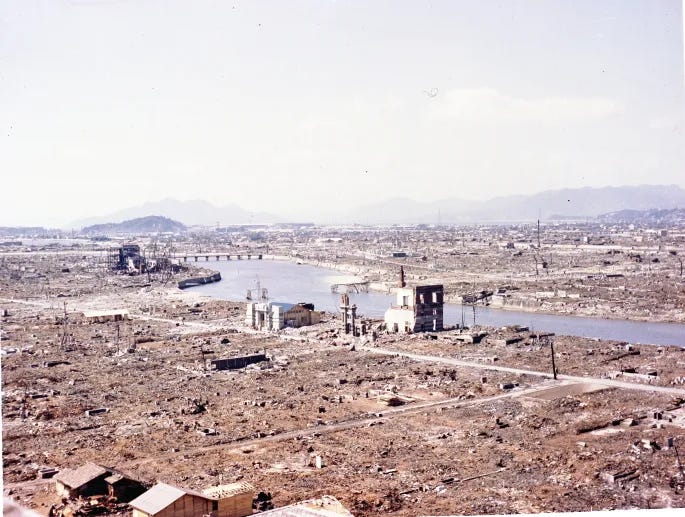
As Secretary Moniz makes clear in our interview, while bomb-grade Uranium is defined as being >90% enriched, the “Little Boy” bomb dropped on Hiroshima in 1945 was not bomb-grade and it was never tested prior to its use in Japan.
We find ourselves in a perilous moment with seemingly irreconcilable positions between the belligerents, a regime facing an existential threat and most of the technical and fissile prerequisites for a bomb available to it.
Secretary Moniz still believes that the ultimate resolution of this Gordian knot will come through negotiations but after two surprise attacks by US and Israeli forces during prior negotiations trust is at an all-time low.
You can find it here: https://carnegieendowment.org/research/2025/09/preventing-nuclear-anarchy-nuclear-proliferation-and-american-security
“In return Iran got sanctions relief.”
On paper, but I don’t believe this provision was ever honored.