

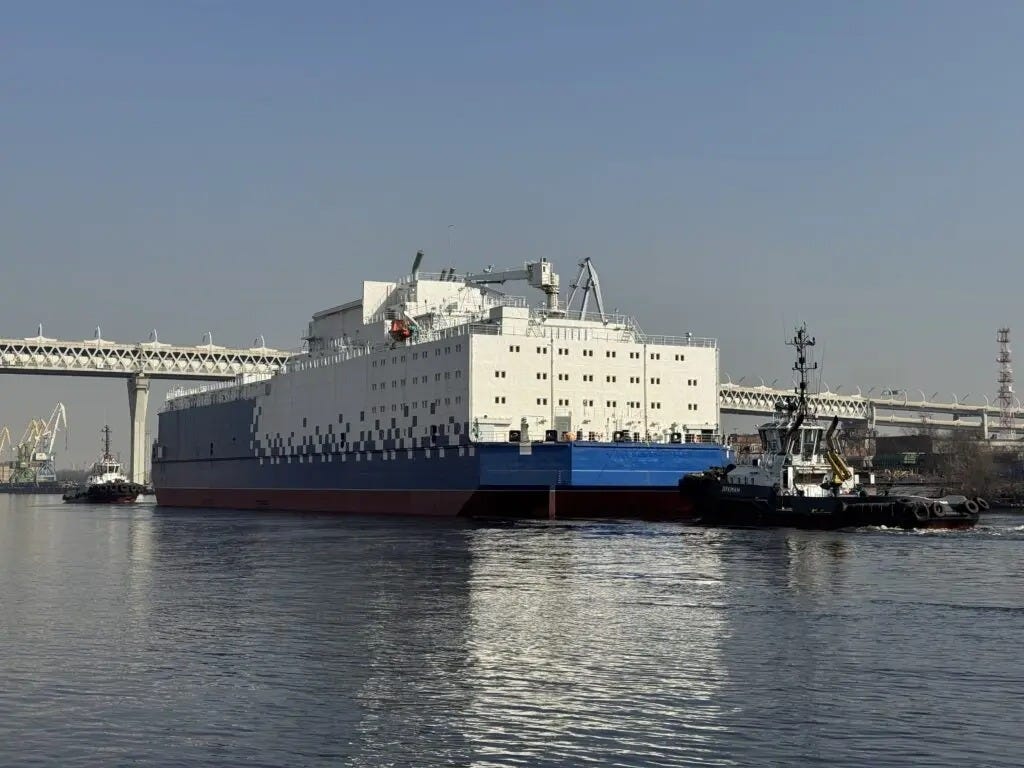
The first of four Chinese-built floating nuclear power plant (FNPP) hulls recently arrived in Russia at St. Petersburg. There they will each be fitted with two RITM-200S integral pressurized water reactors rated at 53 MW apiece. When three of the four units are on station at Cape Nagloynyn, with the fourth held in rotation for refuelling at Atomflot’s facilities in Murmansk, they will deliver approximately 300 MW of steady baseload to the Baimskaya copper and gold mine.
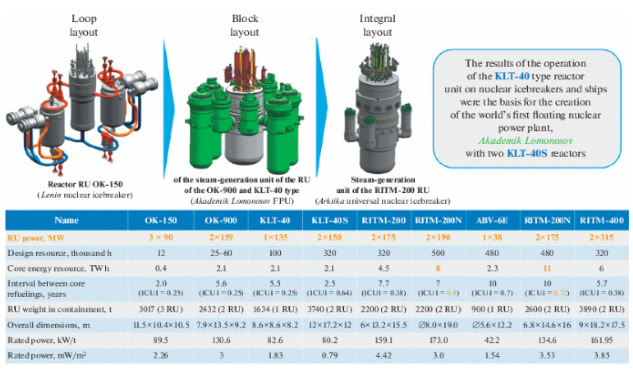
Ten RITM-200 reactors have been manufactured since 2012 for five Project 22220 icebreakers, with eight already operating on the Northern Sea Route aboard the icebreakers Arktika, Sibir, Ural, and Yakutia. The RITM-200S is the FNPP optimized variant
As previously discussed on Decouple, rather than emerging from a clean-sheet SMR program the RITM descends in an unbroken line from the first generation of Russian nuclear submarines through three further generations of icebreakers accumulating over 400 reactor years of operation.
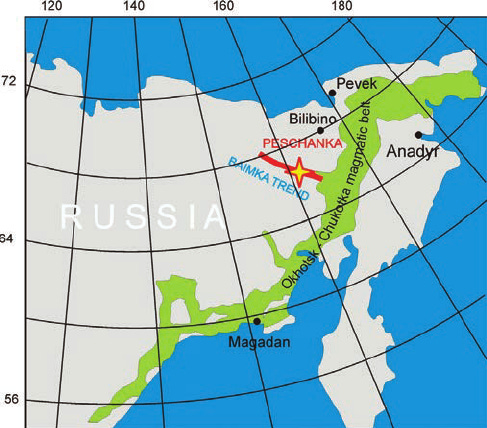
The mine these reactors will serve is not a marginal resource play. The Peschanka field within the Baimskaya licence area contains Joint Ore Reserves Committee (JORC) standard resources of 9.9 million tonnes of copper and 16.6 million ounces of gold, with annual ore processing capacity projected at 70 million tonnes. There is no grid, gas pipeline, or hydroelectric resource within reach, and diesel at this scale and remoteness is not a serious economic option.
Why Not Gas Turbines?
The choice of nuclear over gas turbines was not purely a matter of Arctic physics. Russia is no stranger to building gas infrastructure north of sixty; however, its large-capacity gas turbine industrial base has never been genuinely domestic.
High-capacity units above 100 MW were sourced overwhelmingly from Siemens, GE, and Alstom through licensed technology, joint ventures, and direct imports. The vulnerability of that arrangement became visible well before 2022. Siemens halted deliveries to Russian state-controlled entities in 2017 after four of its turbines were illegally diverted to Crimea in breach of EU sanctions. Then, after February 2022, GE stopped all servicing of its Russian-installed base under expanded US sanctions prohibiting engineering services.
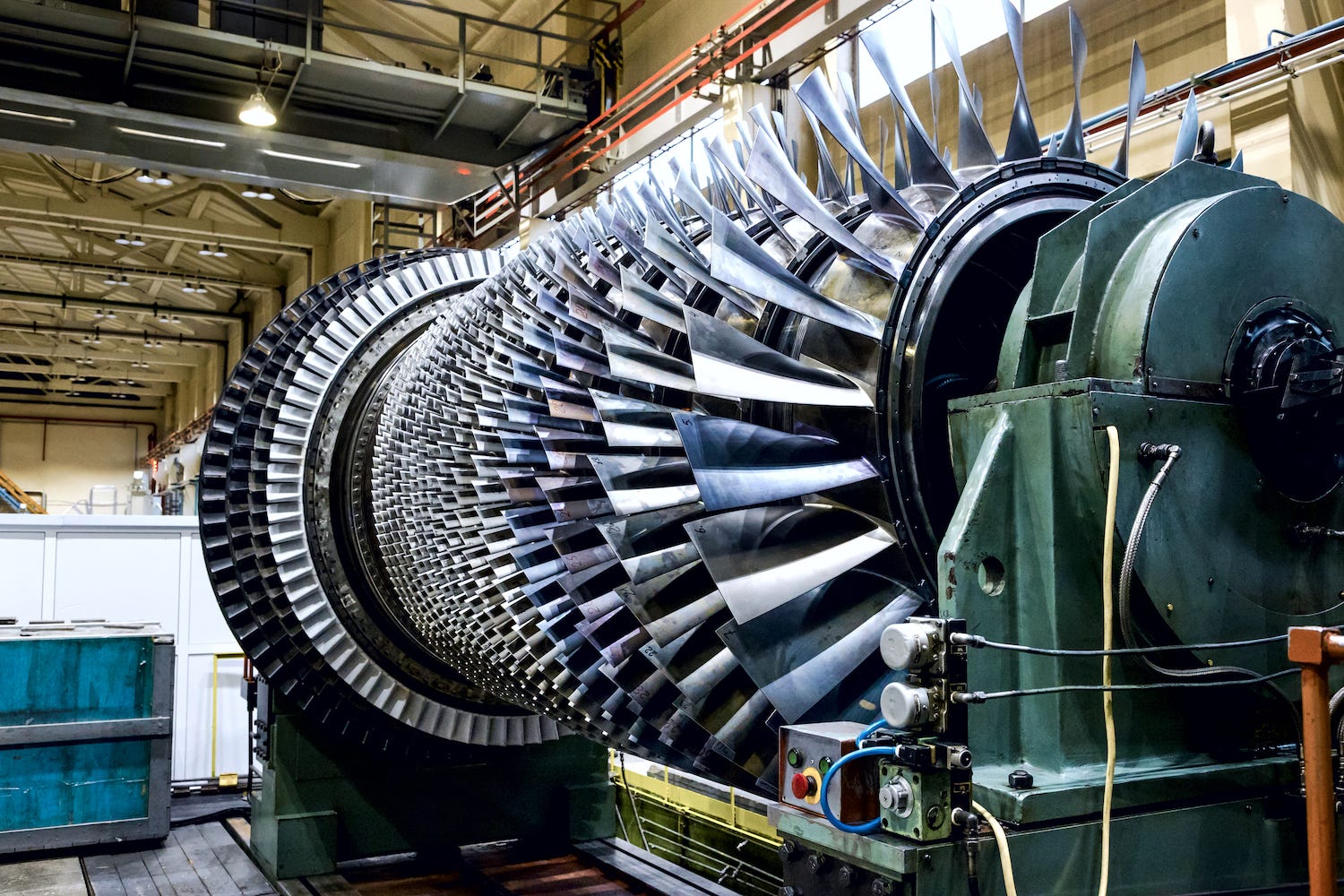
Russia’s first genuinely domestic high-capacity gas turbine, Rostec’s GTD-110M, reached its inaugural commercial installation only in October 2024; serial production capacity of four units per year is not expected until 2028. At the scale required by Baimskaya, no sanctions-proof gas turbine solution existed or was imminent when the power contracts were drawn up.
Nuclear offered complete vertical integration within the Russian state system, spanning reactor design, fuel fabrication, hull construction, and the refuelling logistics chain at Atomflot, with no real Western sanctions exposure. The higher upfront capital cost was the price of autarky, and given the trajectory of Western sanctions policy, it was the rational price to pay.
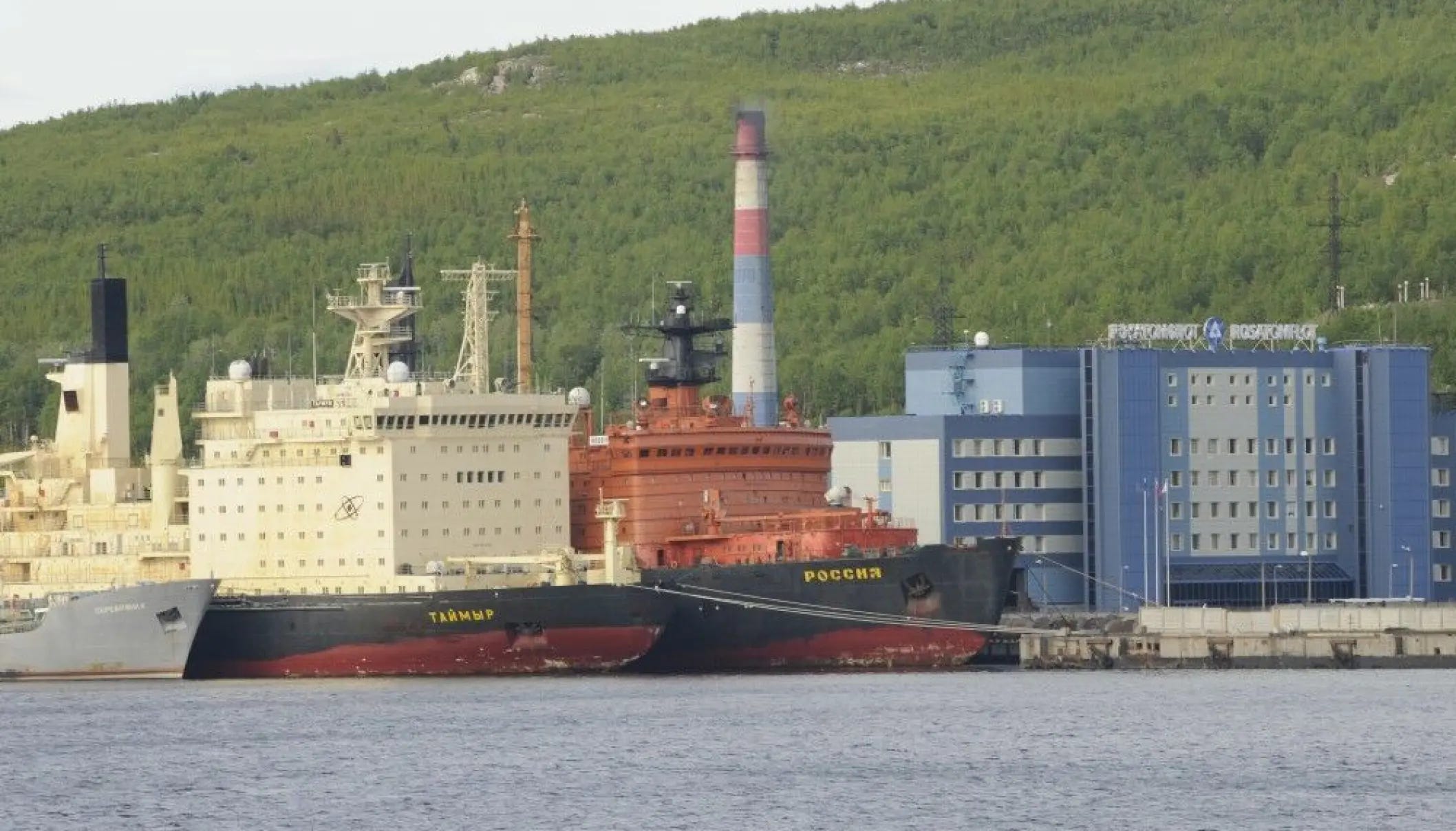
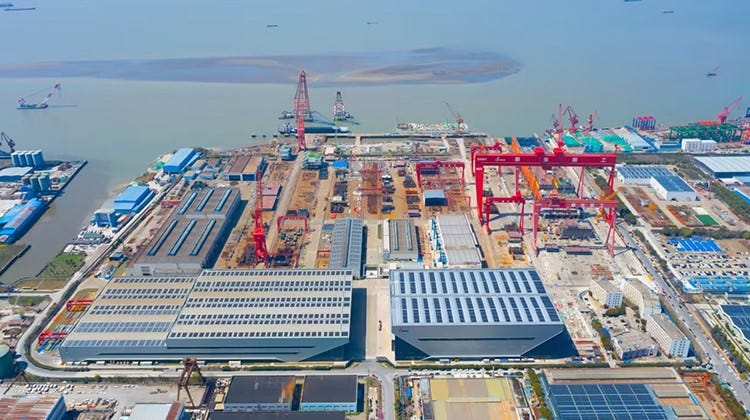
The FNPP hulls are Chinese, built by Wison Heavy Industries at its Nantong yard, selected through competitive tenders on cost and schedule grounds over Russian and South Korean alternatives. Domestic yards run simultaneously at capacity on the Project 22220 icebreaker program.
Unlike Wison’s Zhoushan entity, sanctioned by the US Treasury for its work on Novatek’s Arctic LNG 2 project, the nuclear hull contract was placed with Wison’s Nantong facility, a legally and operationally distinct yard within the same corporate family. The Nantong facility’s supply chain, financing, and labour pool sit outside the transactional surface which Western sanctions were designed to reach. Thus no dollar-clearing bank, Western component supplier, or counterparty with secondary sanctions exposure are required.
Western Maritime Nuclear Myopia
Rather than carefully studying the Russians, the undisputed leaders in maritime SMRs, Western commentators tend to track NuScale’s regulatory milestones, Core Power’s fundraising announcements, or the latest molten chloride fast reactor rendering.
NuScale and Canadian firm Prodigy Clean Energy have proposed housing up to 12 NuScale Power Modules on a single marine facility, a concept that scales to 924 MWe on paper. Yet as former Decouple guest Aleksey Resvoi has pointed out, this proposal must contend with NuScale’s 20-meter tall “sky scraper” integral power module and containment vessel, which presents obvious stability problems aboard any hull experiencing real sea conditions.
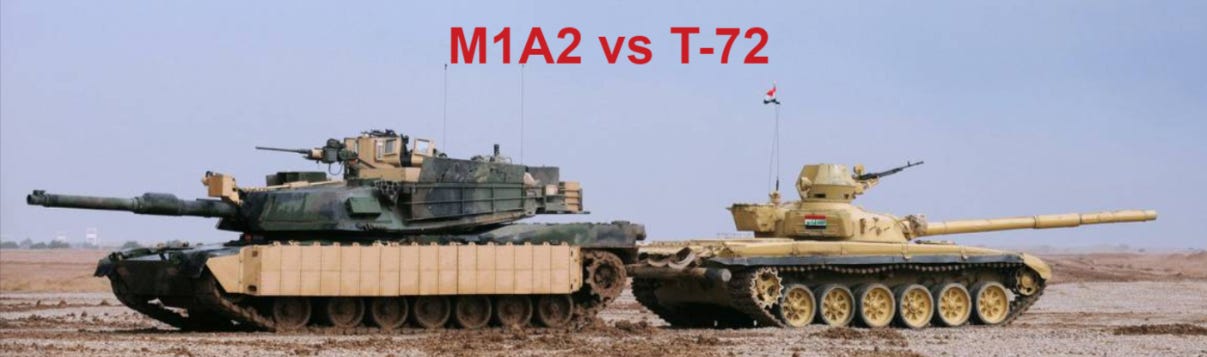
An analogy which illustrates the difference in integral steam generator design philosophy between NuScale and the RITM is the maintenance gap between the American M1 Abrams and the Russian T-72. The Abrams is a genuine engineering achievement but runs on a 1,500-horsepower gas turbine which cannot be meaningfully repaired outside a depot, and whose filters clog in mud.
The T-72 runs on a diesel engine that a regimental workshop can overhaul. Soviet designers drew the line between crew-level and specialist maintenance differently, and drew it much further forward.
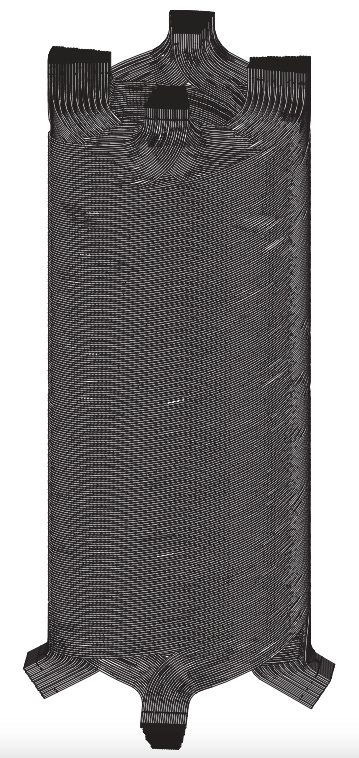
NuScale’s helical coil steam generators are thermodynamically clever, achieving compact geometry and high heat transfer surface area inside the integral vessel. They are, however, challenging to access and maintain.
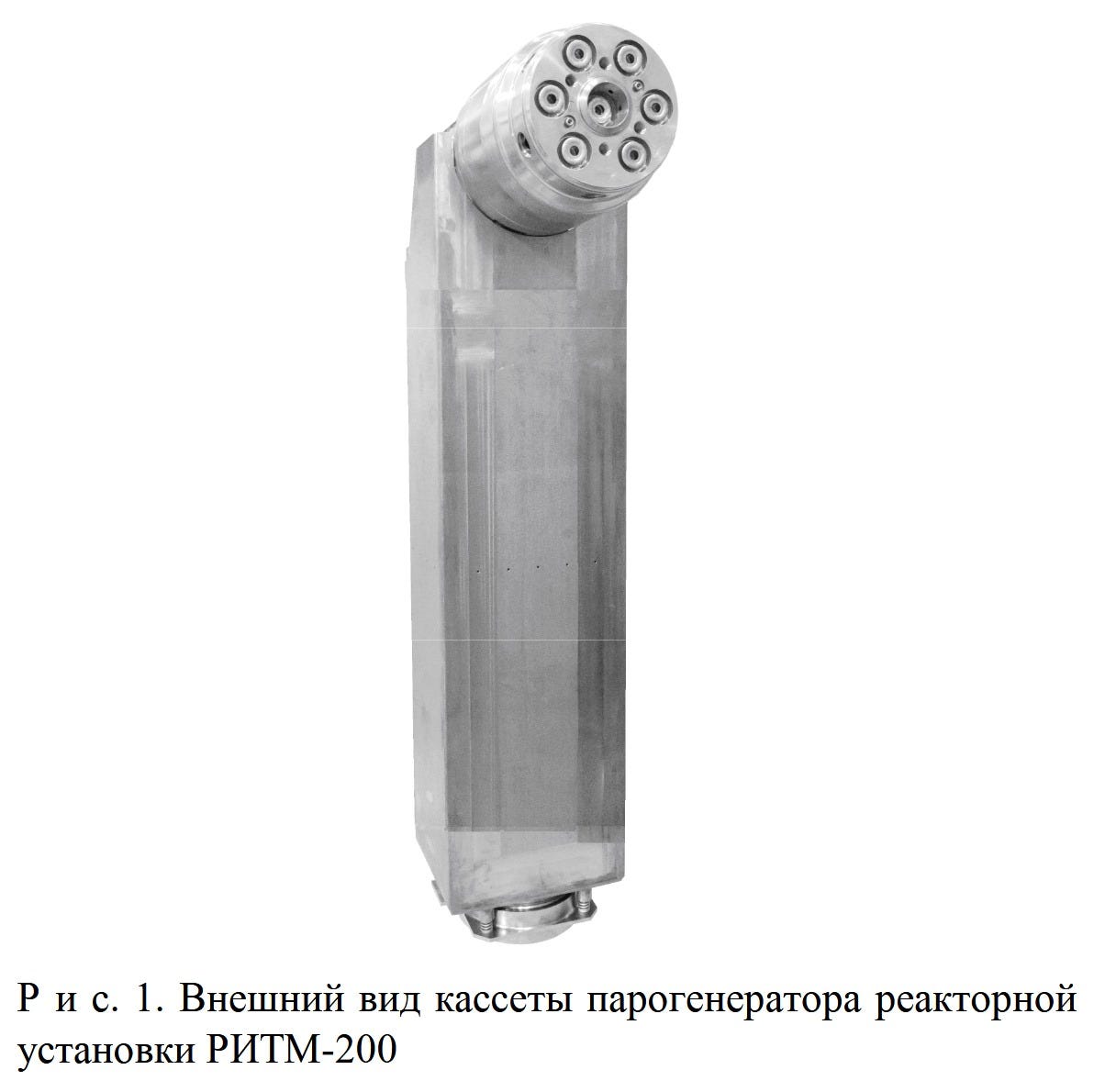
The RITM uses replaceable steam generator cassettes with an explicitly designed 20-year service life, shorter than the reactor pressure vessel’s 60-year rating by intent. This accepts a modest thermodynamic penalty in exchange for cassettes that can be more easily extracted and replaced during scheduled maintenance. Major overhauls are conducted at Atomflot, Rosatom’s purpose-built nuclear fleet-servicing base in Murmansk, the only non-naval facility in the world with the infrastructure to handle operating maritime reactors.
Core Power has gone further into novelty territory here, partnering with TerraPower and HD Hyundai to pursue TerraPower’s Molten Chloride Fast Reactor (MCFR) for marine application. The MCFR proposes to use liquid chloride salt as both fuel and coolant, to operate at fast neutron spectrum, and to run at higher temperatures than conventional reactors. It has progressed from a non-nuclear integrated-effects test, running pumped-salt operations in a laboratory in Everett, Washington, towards a non-power critical experiment at Idaho National Laboratory targeted for approximately 2030.
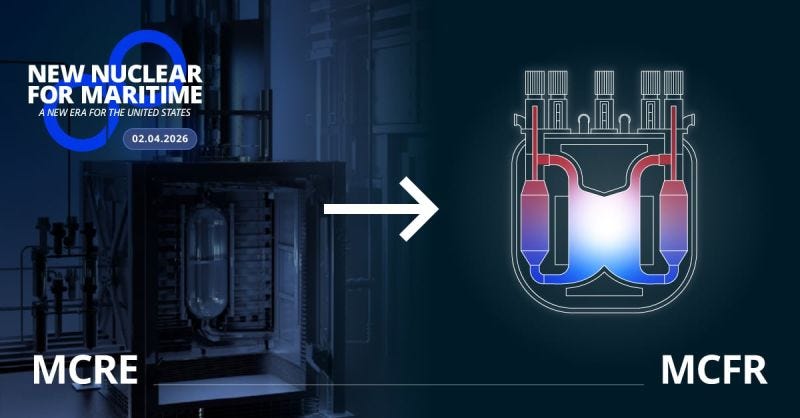
Molten salt chemistries are corrosive, require exotic materials, and have never been operated continuously at commercial scale in any environment, let alone one subject to rolling, pitching, and wave slamming.
Pragmatism Wins the Day
The engineers who built the RITM understood that every design decision had to survive contact with the Arctic. They were not optimizing for thermodynamic elegance, waste minimization, or fuel cycle closure.
Russia kept iterating on light water because light water is proven. They now have 400 battle tested reactor-years of maritime operating history having harnessed the same design bureaus, test loops, materials laboratories, and institutional memory within a state-directed vertically integrated industrial system.
The West, while nostalgically clinging to narratives of nuclear energy dominance, keeps betting that start up culture and conceptual novelty will leapfrog its competitors’ steady investment, continuous deployment and iteration of proven technologies.
The RITM embodies everything Western policymakers say they want from an SMR: modularity, serial production, flexible deployment across marine, barge, and land-based applications, and a demonstrated fuel cycle.
With eight reactors already operating in Arctic conditions and 8 more under construction or fitting out, Baimskaya is the proof-of-concept that makes Rosatom’s FNPP export pitch credible in a way unmatched by any current Western maritime nuclear proposal.
The Floating Nuclear Power Plant Revolution may not be televised, but it will be Russian.
An informal way to assess marine reactor design is......Does it work upside down?...... If the proponent of the design hesitates before answering, it is inferior as an application for a maritime setting.
Thank you for encouraging our engineers to learn and build smart.